Understanding Roof Flashing: Essential Techniques for Preventing Water Damage Dec 16, 2025
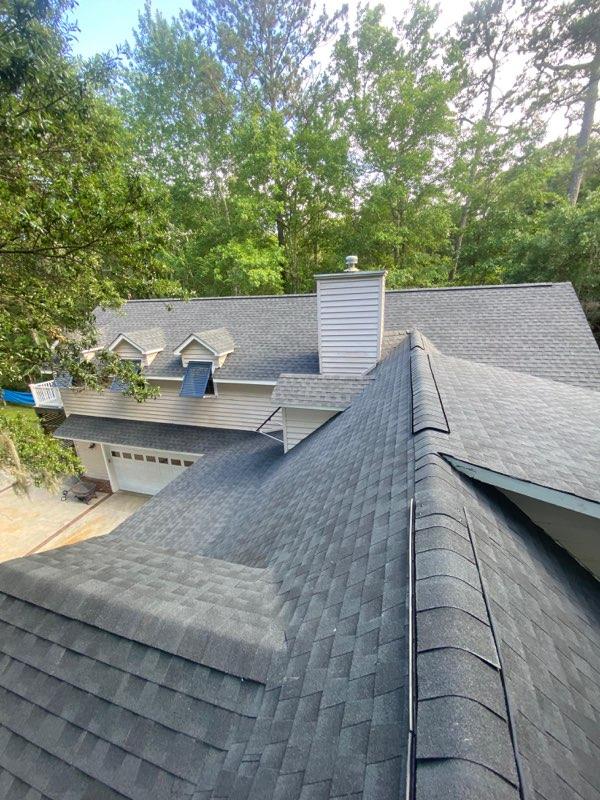
Roof flashing is the first line of defense in waterproofing vulnerable areas of your roof. It is typically made of thin metal such as aluminum, copper, or galvanized steel. Its function is to direct rainwater away from critical areas to prevent leaks. Roof flashing is typically installed around points of roof intersections, chimneys, vent pipes, skylights, and valleys where water is more likely to accumulate. Understanding how roof flashing works and why it is essential can save homeowners from costly repairs in the future.
One of the most important techniques in roof flashing is ensuring a proper installation. At Stephens’ Roofing LLC, we believe a well-installed flashing is crucial to its performance. During installation, it is vital to ensure that the flashing is sealed properly to the roof surface using roofing nails and compatible sealants. A common misstep occurs when flashing is not overlapped correctly, causing gaps and allowing water seepage. Our professional team uses a technique called "step flashing" around areas like chimneys or vertical walls, which involves overlapping pieces that create an impenetrable barrier for water.
Another critical aspect of roof flashing is choosing the right material. Each type has its pros and cons, and the choice depends on several factors, including budget, roof structure, and climate. Aluminum is popular due to its lightweight and corrosion-resistant properties, while copper is preferred for its durability and aesthetic appeal despite being more expensive. Understanding which material suits your roof best will determine the longevity and effectiveness of the flashing.
Regular maintenance and inspections are essential to keep roof flashing functioning correctly. Over time, weather conditions can affect the integrity of the flashing, leading to leaks. At Stephens’ Roofing LLC, we recommend periodic checks to ensure that seals remain intact and no rust or deterioration is present. Promptly addressing these issues can prevent minor damage from becoming a major headache.
In the event of roof flashing failure, repairs should not be put off. Swift action is often required to prevent water damage which can lead to mold growth and structural damage. If you suspect issues with your roof flashing, consulting with professionals like those at Stephens’ Roofing LLC can provide the expertise needed for effective repairs.
In conclusion, roof flashing is a critical element of your home’s roofing system. By understanding its role and employing essential techniques such as proper installation, material selection, and regular maintenance, homeowners can ensure long-lasting protection from water damage. At Stephens’ Roofing LLC, we are committed to delivering services that provide peace of mind, knowing your home is safeguarded against nature’s elements. If you need assistance or simply have questions about your roof flashing, our experts are here to help. Reach out to us today to schedule an inspection and ensure your home stays dry, safe, and secure.
/filters:no_upscale()/filters:format(webp)/media/f320c6b4-a2ff-4fb7-ae0b-5862df17aad9.jpeg)
/filters:no_upscale()/filters:format(webp)/media/4cf1b3ca-08ac-4cc0-9dc9-abcbd0407de2.jpeg)