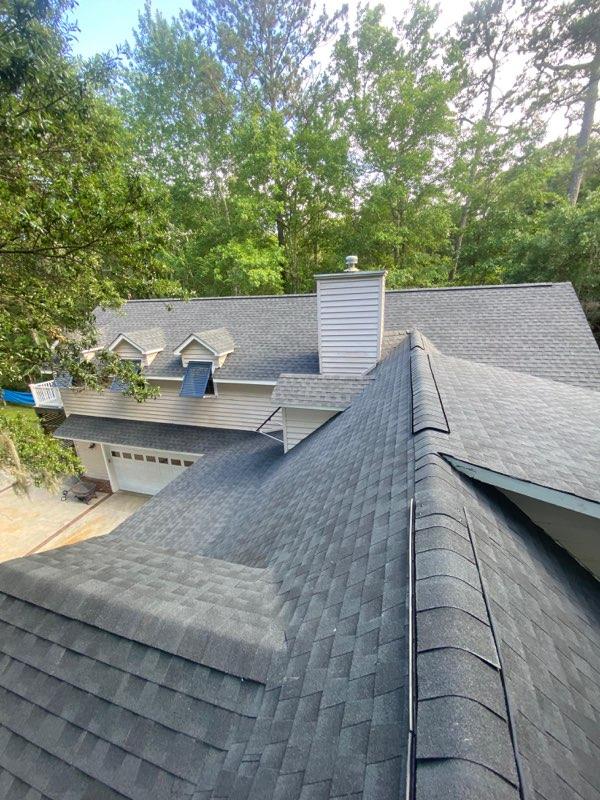
The Evolution of Roof Design: How Modern Aesthetics Meet Functionality Jan 30, 2026
Historically, roof designs were heavily influenced by regional climates and available materials. In warmer climates, materials like clay and terracotta were favored for their cooling properties. In contrast, slate and thatch were popular in colder areas for their insulating qualities. As roofing technology advanced, so did the variety of materials and design options available. Modern techniques now allow for roofs that not only look stunning but also serve multiple functional purposes.
One of the most significant advances in roofing is the integration of sustainable practices. Energy-efficient roofing materials have become increasingly popular among homeowners looking to reduce their carbon footprint. Cool roofs, for example, are designed to reflect more sunlight and absorb less heat than traditional roofs. This innovation helps keep homes cooler during the summer and reduces energy bills by minimizing air conditioning usage. Additionally, many modern roofing materials are manufactured with recycled content, further contributing to environmental sustainability.
Solar panels are another breakthrough in roof design. More than just an environmentally friendly choice, they represent a financial investment with long-term savings on utility bills. Innovations in solar roofing, such as solar shingles, blend seamlessly with traditional roofing materials, maintaining the aesthetic integrity of your home while still harnessing solar energy.
Aesthetics have always played a crucial role in roof design, but modern trends are pushing boundaries while focusing on simplicity and elegance. Minimalist roof designs with clean lines and neutral colors are rising in popularity, providing a sleek and sophisticated appearance. Additionally, the use of varied textures and advanced materials creates a unique look that can significantly improve curb appeal.
Another trend gaining traction is the green roof movement. Green roofs involve the planting of vegetation on the roof surface. They offer numerous benefits, including improved air quality, enhanced insulation, and an extended lifespan for the roofing materials underneath. The natural beauty of a green roof provides a calming oasis in urban areas, offering a unique connection to nature within a concrete environment.
Functionality remains a pivotal aspect of modern roof design. A roof's primary function is to protect against the elements, and this requirement has not changed. However, as climate change leads to more unpredictable weather patterns, materials now must withstand diverse conditions while maintaining strength and durability. Today's roofing solutions are designed to offer superior protection against rain, wind, and even hail, providing peace of mind for homeowners.
In summary, the evolution of roof design is an exciting journey where aesthetics meet functionality. Whether opting for energy-efficient materials, incorporating solar technology, or exploring green roof options, there are endless possibilities with Stephens’ Roofing LLC to enhance your home's appeal and functionality. As architecture continues to move toward a cleaner future, embracing these modern trends ensures that your home remains both a beautiful and sustainable sanctuary. With these insights, you're now well-equipped to make informed decisions, blending style with substance for your next roofing project.
/filters:no_upscale()/filters:format(webp)/media/f320c6b4-a2ff-4fb7-ae0b-5862df17aad9.jpeg)
/filters:no_upscale()/filters:format(webp)/media/4cf1b3ca-08ac-4cc0-9dc9-abcbd0407de2.jpeg)