Choosing the Right Roofing Materials for Different Climates: A Guide to Longevity and Performance May 08, 2026
Understanding your local climate is the first step in choosing the best roofing material. Roofs are subjected to various elements such as sun, rain, snow, and wind. These elements can drastically affect your roof's durability and performance if they're not adequately accounted for in the choice of materials.
For hotter climates, such as in the southern United States, heat-resistant materials are essential. Roofing materials such as clay tiles, concrete tiles, and metal roofs are excellent for reflecting sunlight and resisting heat. Clay tiles not only withstand the sun’s intense rays but also contribute to energy efficiency due to their thermal properties. Metal roofing, meanwhile, provides a sleek, modern look and is particularly effective at reflecting solar heat, potentially reducing cooling costs.
In contrast, regions that experience heavy snowfall and cold temperatures require materials that can handle moisture and extreme weight. Asphalt shingles are a popular choice due to their durability and resistance to moisture penetration. They provide an excellent barrier against ice and snow. Consider materials with a higher pitch to allow snow to slide off easily, preventing excess weight from causing damage.
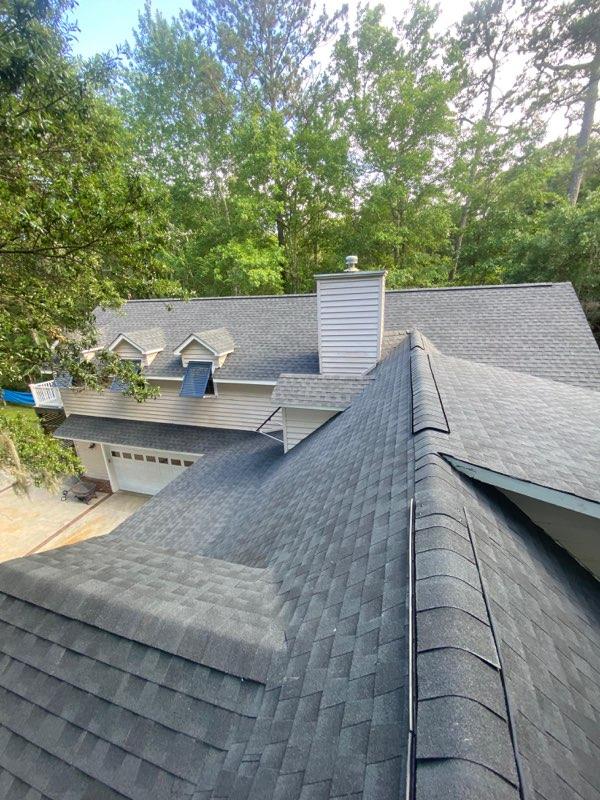
For areas prone to high wind conditions, such as coastal regions or the tornado-prone central United States, durability and secure fastening are key. Metal roofing and architectural shingles are ideal as they offer superior wind resistance. Metal roofs, in particular, are designed to shed wind and provide a robust barrier against damage.
Regions with high rainfall need materials that are water-resistant and quick-drying to prevent mold and leaks. Slate tiles are highly water-resistant and unmatched in durability, lasting over a century in some cases. However, they are heavy and may require additional structural support. Asphalt shingles with a water-resistant underlayment provide a cost-effective alternative.
Lastly, for those living in mild climates with consistent moderate conditions, the focus can be on aesthetics and personal preference. Materials such as wood shingles or cedar shakes are both beautiful and adequately durable for these stable environments. They offer a rustic charm and can last a long time with regular maintenance.
When choosing roofing materials, also consider factors like local building codes, environmental impacts, and your own budget. Stephens’ Roofing LLC can offer a comprehensive assessment and customized advice, ensuring that your choice aligns perfectly with both your home's requirements and your personal taste.
In conclusion, understanding the diverse options and their suitability to different climates empowers homeowners to make informed decisions, enhancing not only their roof’s longevity but also energy efficiency and overall home value. Reach out to Stephens’ Roofing LLC for expert consultation and high-quality installation services that ensure your home remains safe and comfortable regardless of what nature throws your way.
/filters:no_upscale()/filters:format(webp)/media/f320c6b4-a2ff-4fb7-ae0b-5862df17aad9.jpeg)
/filters:no_upscale()/filters:format(webp)/media/4cf1b3ca-08ac-4cc0-9dc9-abcbd0407de2.jpeg)